The Fourth Amendment to the United States Constitution stands as a primary guardian of individual privacy, protecting citizens against “unreasonable searches and seizures.” For centuries, this legal pillar was interpreted through the lens of physical spaces—homes, desk drawers, and locked suitcases. However, as our lives migrated into the digital realm, the simplicity of the physical world vanished. Today, the intersection of specialized technical expertise and Fourth Amendment protections has become one of the most complex battlegrounds in modern law.
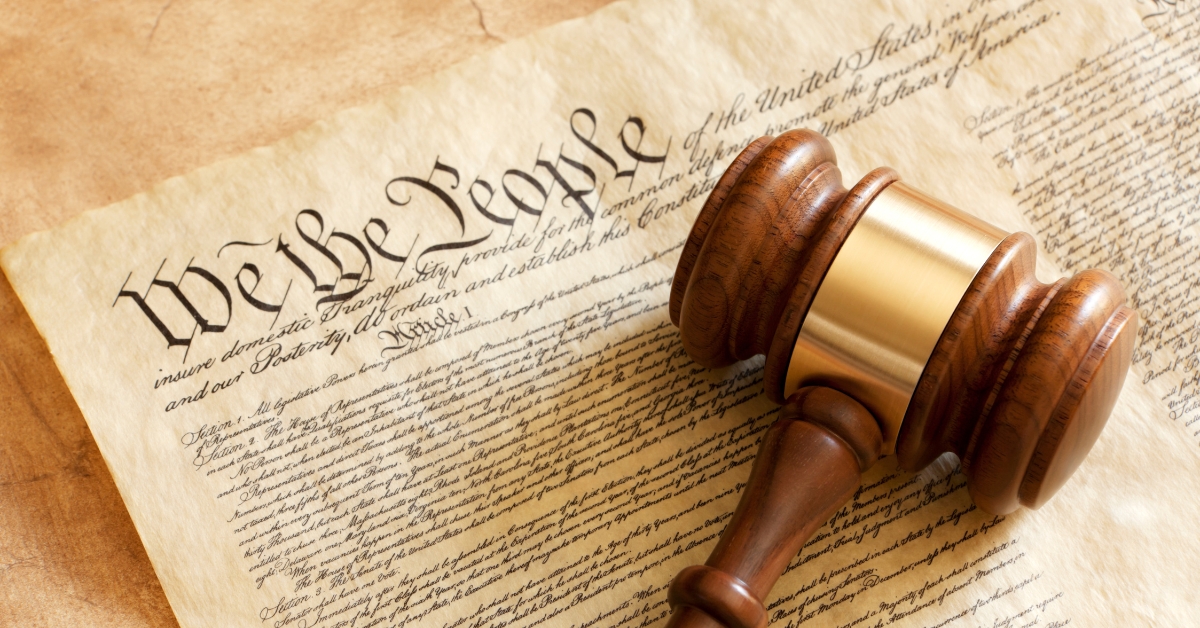
At the heart of this issue is a fundamental tension: law enforcement requires advanced technical expertise to investigate modern crimes, yet that same expertise can inadvertently bypass the constitutional safeguards designed to protect private data.
The Evolution of Reasonable Expectation of Privacy
To understand how expertise impacts the Fourth Amendment, one must first look at the “reasonable expectation of privacy” test, established in the landmark case Katz v. United States. … Read more
 Fiction- If I stay along with my boyfriend for over seven years then we’re automatically common law married. The financial hub of 5.7 million people is among a number of nations to have passed laws in opposition to pretend information, and there are real issues misinformation has been used to manipulate elections and goal minority groups. A lawsuit brought by a landlord towards a tenant to evict the tenant from rental property – normally for nonpayment of lease. A written assertion that begins a civil lawsuit, during which the plaintiff particulars the claims towards the defendant.