The concept of criminal justice forms one of the foundational pillars of any organized society. At its core, a criminal justice system is designed to uphold social order, enforce laws, protect citizens from harm, and deliver consequences when laws are breached. However, the modern legal and penological landscape is far more complex than simple punitive enforcement. Today, society faces a delicate balancing act: how to punish wrongdoing effectively while ensuring fairness, preventing recidivism, and adapting to modern technological realities.

Examining the contemporary criminal justice environment requires looking beyond traditional lock-and-key methodologies. By exploring the core components of the justice system, the evolution toward rehabilitative models, and the integration of modern technology, we gain a comprehensive view of how society strives to achieve true justice.
The Three Fundamental Pillars of the Criminal Justice System
To understand how criminal justice operates, it is helpful to analyze its three interconnected branches. Each branch … Read more
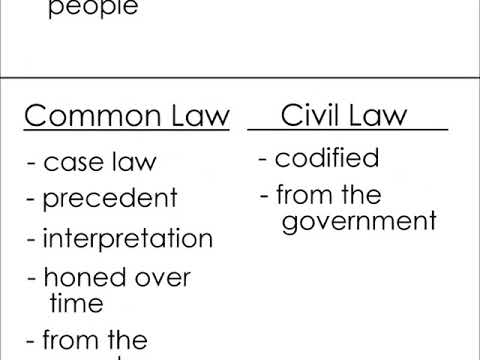 Within the field of laptop forensics, as in the discipline of regulation, procedures in civil cases differ considerably from those in criminal instances. Civil Rights or rights of the person include, attack on personal integrity, invasion of personal privacy, identity theft, product responsibility, and assault on individual or property. While personal privateness is essential, in a open and free society, the fitting to know who you’re using or residing subsequent to is also important. Background checks on anyone who would be in shut proximity to youngsters or occupying an authoritative positron should be scrutinized for the protection of society. Suspected terrorist or enemies of the state also needs to be interrogated without infringing on their personal rights. These and lots of other causes for private data to change into public data is a necessity for public safety.
 Felony regulation is perhaps most well known due to the results it could have on a society and on a person if not revered and adopted. The most important objective of criminal law is deterrence and punishment, whereas that of civil regulation is particular person compensation. Criminal offences encompass two distinct elements; the physical act (the actus reus, guilty act) and the requisite psychological state with which the act is done (the mens rea, responsible thoughts). For example, in murder the ‘actus reus is the illegal killing of an individual, whereas the ‘mens rea is malice aforethought (the intention to kill or trigger grievous harm). The prison law also particulars the defenses that defendants may carry to reduce or negate their liability (prison duty) and specifies the punishment which may be inflicted. Prison law neither requires a victim, nor a sufferer’s consent, to prosecute an offender. Moreover, a criminal prosecution …